
I’ve worn hearing aids since the 90s.

That’s a lot of smiling and nodding.

I’ve sat in a lot of sound booths, second-guessing more beeps than I can count. Hearing Empowered™ is my labour of love, and my occasional rant, about what good hearing care should look like.

You’ll learn what good hearing care includes, what to ask before you spend thousands of dollars, and how to find clinics that meet our standard of care.

Created by Michelle Stewart from more than 30 years of lived experience with hearing loss, with clinical guidance from Doctors of Audiology Dr. Nichole Sorensen and Dr. Claire Beldi.

FIND AN AN AUDIOLOGIST YOU CAN TRUST HEARING EMPOWERED

Good hearing care is more than a hearing test and a pair of devices. It’s ongoing care that changes as your hearing and your life do.

7 to 10 years

That’s how long people wait, on average, between noticing hearing changes and doing something about it.

Four things that decide whether your hearing aids end up in a drawer. 😬

You can buy great hearing aids and still end up with a lousy result. How they’re chosen, fitted, checked and adjusted is a big part of it. These are the four things I’d tell my own family to watch for, whether they’re on a tight budget or looking for an audiologist to grow old with.

1

Hearing aids picked for your ears

A lot of clinics can order from five or six manufacturers and still fit the same one or two brands almost every time. Sometimes there are good reasons for that. You should still know.

Ask which brands they fit most, why this one, and why this technology level. The answer should be about you and the places you can’t hear, like the restaurant, the car, or the back row at your grandkid’s recital.

2

Testing and fitting that gets checked

Good care includes a full hearing test and speech testing, including in background noise. Then the clinic checks that your hearing aids are giving your ears the sound they need. That’s called verification.

Real-ear measurement is one way to do it. A skinny little tube goes in your ear canal to measure what the hearing aid is doing in there. It takes a few minutes and doesn’t hurt.

3

The person in the room with you

Two people can go to the same clinic and have completely different experiences depending on who they see.

Ask who will test you and fit your hearing aids, what their training and experience is, and whether you’ll see them again next time. It’s also fair to ask who they turn to when your hearing gets complicated.

4

Enough time to get it right

Testing, choosing, fitting, programming, checking, explaining, and fixing the thing that whistles every time you hug someone. All of it takes time.

A longer appointment isn’t automatically a better one. Good clinics leave enough room in the schedule for every step to actually happen.

Questions to ask before you spend money

Hearing aids cost thousands of dollars. Take these into any clinic, the ones we recommend or elsewhere. A good clinic will be happy you asked.

  • 1
    Which hearing-aid brands do you fit most often?
  • 2
    Why this hearing aid, and why this technology level for me?
  • 3
    Will you test how well I understand speech, including in background noise?
  • 4
    How will you check my hearing aids are fitted correctly? Do you use real-ear measurement?
  • 5
    Who will I see at each appointment, and will it be the same person?
  • 6
    What’s included in the price, and for how long?
  • 7
    What happens after the fitting if something isn’t working?
  • 8
    What would make you send me to a doctor or specialist, and how would you spot it?

Our Vetted Hearing Care Partners

Hearing Empowered carefully evaluates independent clinics and recommends trusted clinic partners in selected regions.


Lakeside Hearing Hearing Empowered Hearing Clinic

KELOWNA | LAKE COUNTRY

Lakeside Hearing

Hearing, tinnitus, and balance care built through ongoing relationships. Lakeside’s clinicians connect testing and technology to the way each person processes sound, communicates, and lives.

VANCOUVER | SURREY | BURNABY

Sonaris Ear Center

Hearing, tinnitus, and balance care shaped through ongoing relationships. Sonaris connects assessment, technology, and follow-up to the way each person hears, communicates, and lives.

We are adding regions carefully. Learn what to look for in a hearing clinic while we grow.

Where Are You With Your Hearing Right Now?

Start with the situation closest to yours. You’ll find practical guidance on what may be happening, what to ask, and what good care should look like.

I Think My Hearing Has Changed

Learn when to get a hearing test, what a comprehensive hearing assessment should include, what the different hearing tests measure, and how your audiogram, speech understanding, and real-life listening difficulties fit together

I Am Choosing Hearing Aids

Understand the different types of hearing aids, which features and technology levels may matter for your life, what hearing aids cost in Canada, why a good fitting matters, and how the clinic and ongoing hearing care can shape your experience for years to come.

Did your hearing change suddenly?

A sudden or rapidly worsening hearing change should not wait for an ordinary hearing-aid appointment. Seek prompt medical attention for:

  • Sudden hearing loss
  • A major new difference between your ears
  • Severe dizziness
  • A major new difference between your ears
  • Facial weakness or numbness
  • Hearing changes after an injury

This information is educational and does not replace urgent medical care. If you are experiencing any of the above, contact a doctor, walk-in clinic, or emergency department right away.

What We Look For in a Hearing Clinic

Good hearing care builds over time. We look for clinics that understand how you hear, test carefully, explain things clearly, and continue adjusting your care as your hearing and daily life change. View our full Gold Standards of Care.

  • Ongoing adjustments and follow-up
  • Repairs and reprogramming
  • Retesting when hearing changes
  • Respectful, pressure-free care
  • A long-term clinician relationship
  • Clear pricing and realistic expectations
  • Comprehensive diagnostic hearing testing
  • Clear explanation of results
  • Speech understanding assessment
  • Real-ear measurement or appropriate verification
  • Access to multiple hearing-aid brands
  • Independent clinical judgment

Real People. Real Stories. Real Change.

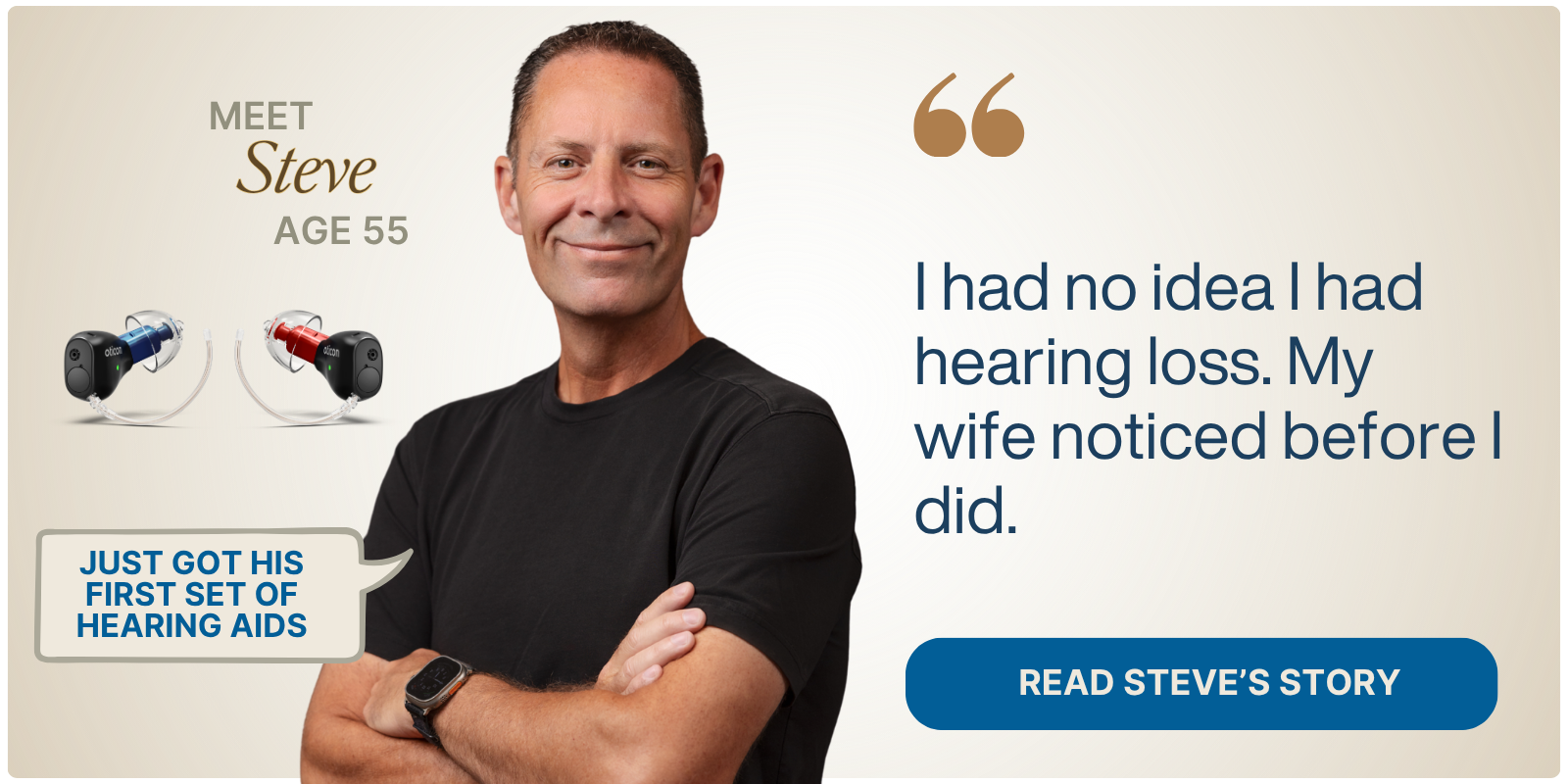
Michelle has worn hearing aids since she was a kid. Steve had no idea he had hearing loss until recently. Different starting points, different technologies, completely different experiences of what it means to finally hear well. Between us, we’ve probably lived whatever version of this you’re in right now.
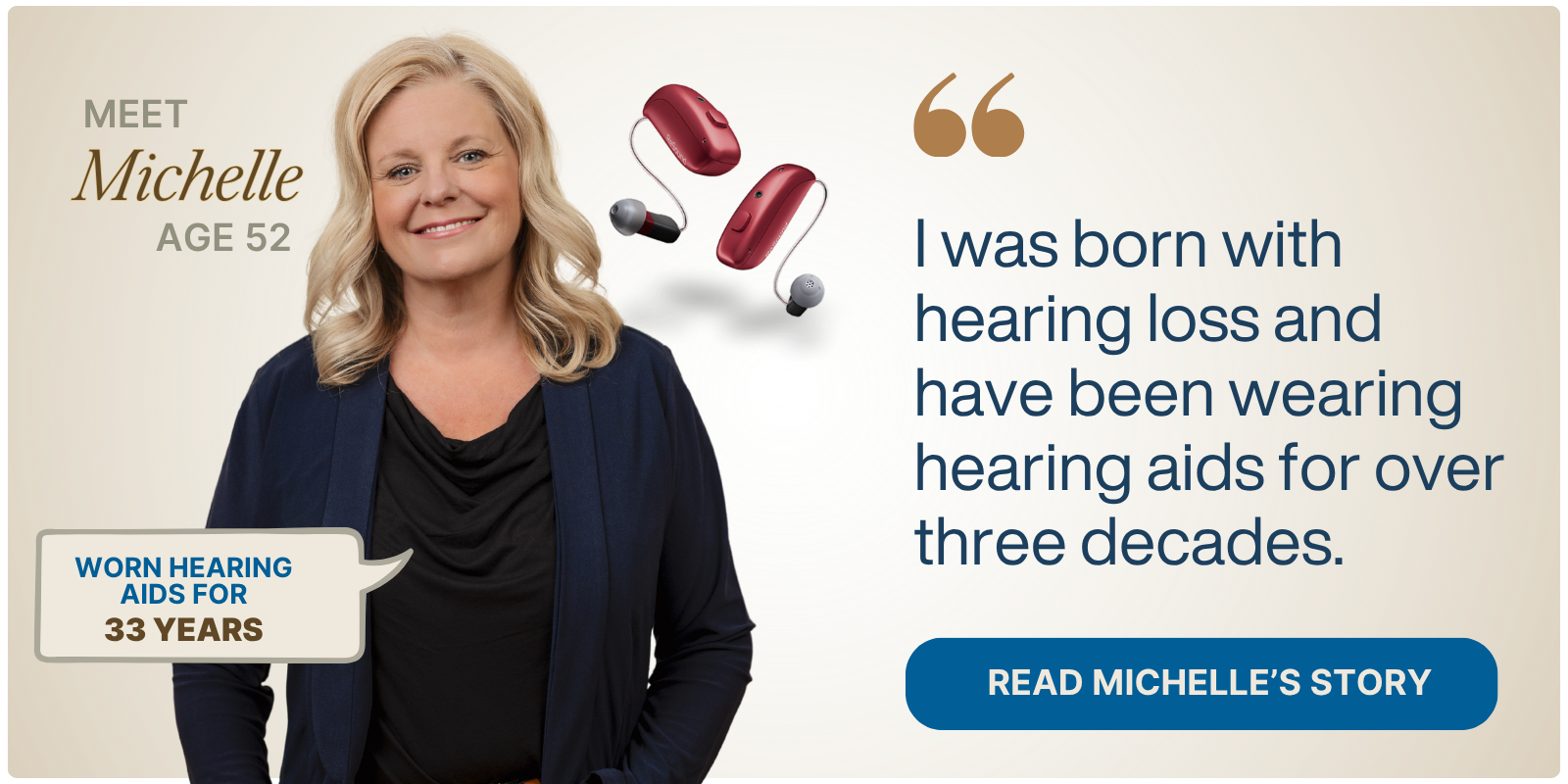
Michelle Hearing Loss Story Profound
Steve Hearing Loss Story Mild

Hearing loss does not stay neatly inside the ears.

It can enter relationships, family dinners, restaurants, work, medical appointments, and the quiet decisions about whether something feels worth attending. These guides deal with the parts of hearing loss that happen outside the clinic.